Strong fantasy does more than tell a story. It builds a place readers can step into, question, explore and remember. That is one of the main strengths of Knights of A New World by Kevin Christensen, an upcoming release that offers a richly imagined world filled with political tension, ancient cultures, moral conflict and the arrival of people from another world.
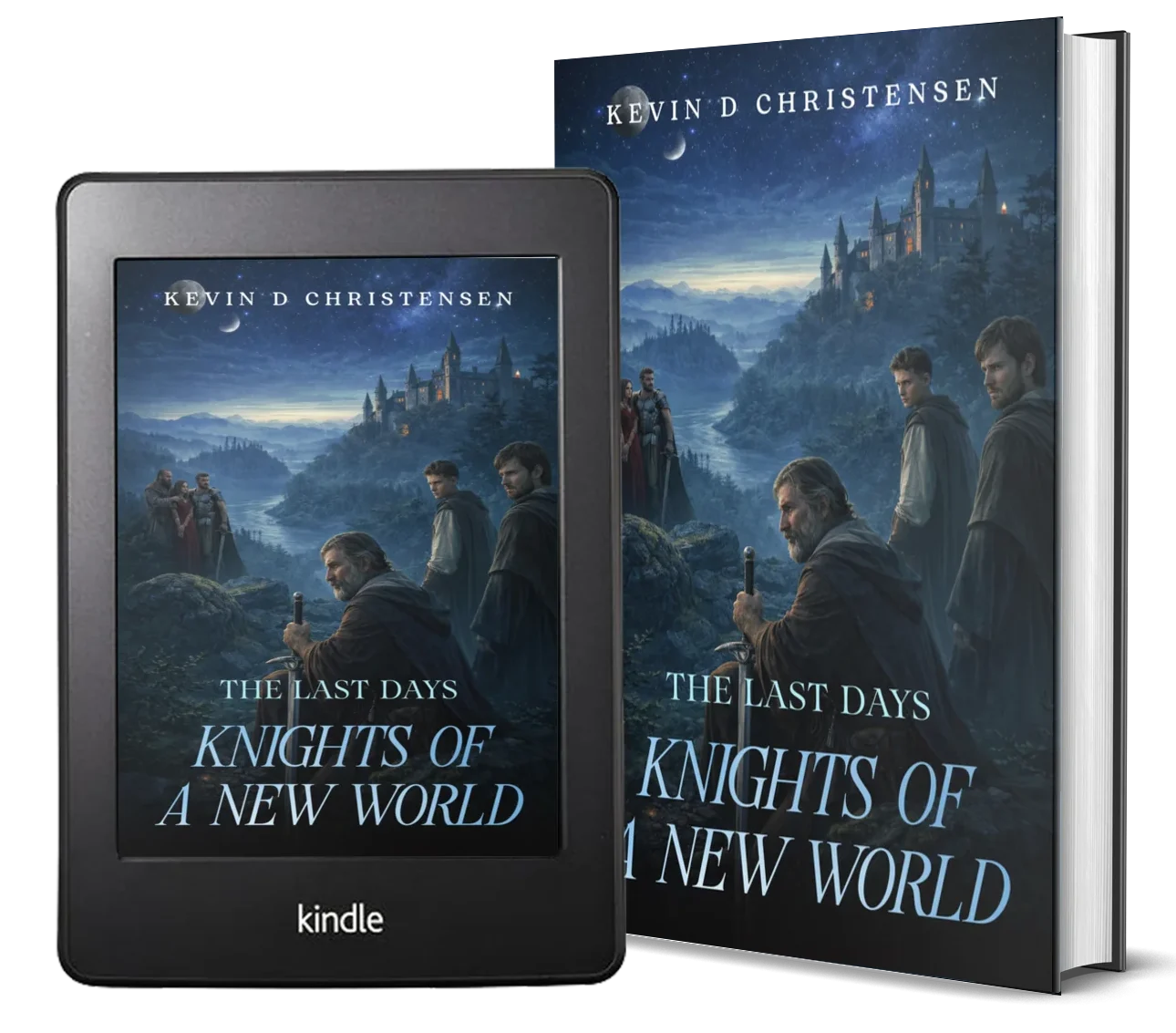
What makes this book engaging is that the world does not feel empty or decorative. Ancient Britain is not used only as a backdrop. It becomes a living part of the story. Villages, courts, military posts, political gatherings, religious spaces and borderlands all carry their own sense of danger and meaning. Every location adds something to the larger picture.
Christensen builds his world through contrast. On one side, readers encounter kingdoms, Roman influence, tribal communities, old customs and people trying to survive in difficult times. On the other side, there are visitors from another world who bring new knowledge, different values and a wider understanding of what society could become. The tension between these worlds gives the story much of its energy.
This is not a time travel story. The characters are not simply visiting the past. They come from another world and that distinction matters. Their arrival creates cultural misunderstandings, political suspicion and moral pressure. They must learn how to move through a society that does not fully understand them, while also deciding how much they should interfere in the lives of the people around them.
The political structure of the novel is another major part of its worldbuilding. Readers are introduced to rulers, senators, generals, reformers and competing powers with different goals. Some want stability. Some want control. Some want reform. Some want survival. These competing interests make the world feel active, as if events are unfolding beyond the view of any single character.
The book also gives attention to everyday life. The villagers, teachers, soldiers, servants and families are just as important to the atmosphere as kings and political leaders. Through them, readers see how larger conflicts affect ordinary people. Fear of violence, lack of education, questions of freedom, religious pressure and the need for safety all help make the world believable.
Faith and prophecy also play a meaningful role in shaping the setting. Different beliefs influence how characters interpret danger, leadership and the future. This adds another layer to the world, because the conflicts are not only political or military. They are also spiritual, cultural and personal.
What stands out most is the sense that every part of the world is connected. A decision in a royal court can affect a village. A political speech can influence future laws. A private act of courage can change how people see outsiders. This gives Knights of A New World the kind of depth that fantasy readers often look for.
As the book moves closer to release, Knights of A New World promises an immersive reading experience for fans of thoughtful fantasy, alternate world storytelling and character-driven adventure. Kevin Christensen has created a world where power, belief, loyalty and change all collide.
For readers who enjoy fantasy settings that feel layered, alive and full of consequence, Knights of A New World is a coming release worth watching.