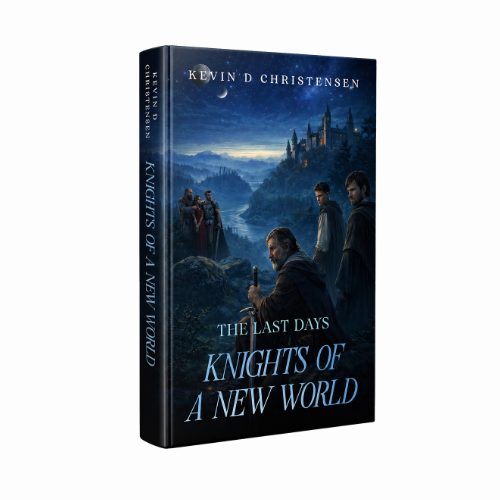
Kevin Christensen’s Knights of A New World draws readers into a charged alternate history where Roman Britain becomes the centre of competing powers, dangerous beliefs, and bold visions for the future. The novel is driven by conflict on every level, from empires and political factions to villages, families, faith, and personal conscience.
One of the strongest conflicts is the struggle for control of Britain. Rome still holds influence, but its authority is strained by tribal resistance, Atlantean involvement, and the growing pressure for political reform. Britain is not merely a setting. It is the prize, the battlefield, and the testing ground for a new world order.
The coming summit adds another layer of tension. Leaders speak of peace and progress, but behind those discussions are questions of land, power, citizenship, education, and native rights. The future republic promises change, yet the novel asks whether reform can truly serve the people when ambition and corruption remain close to power.
Social conflict also shapes the story. Slavery, class division, taxation, and restricted education reveal a world where many people are denied a voice. Characters such as Leia Sobek challenge these injustices directly, making her one of the novel’s clearest forces of moral resistance. Her questions cut through political performance and expose the cost of systems built on silence.
Faith and prophecy create another major conflict. Rumors of tribulation, warrior kings, divine warnings, and religious persecution unsettle both rulers and common people. Some characters seek truth through scripture. Others fear what prophecy might mean. This spiritual pressure gives the story a sense of destiny while keeping the reader alert to misunderstanding, manipulation, and genuine conviction.
There is also the conflict between fear and reason. Villagers face strange creatures, superstition, violence, and rumors from beyond the wall. James and Allen, as outsiders, must navigate this fragile world carefully. Their role as protectors and investigators brings readers close to the human cost of unrest, especially among those who simply want safety for their families.
Finally, the novel explores inner conflict. Many characters must decide whether to obey, resist, believe, question, protect, or pursue power. Their choices give the story emotional depth and keep the political stakes grounded in personal consequences.
For readers who enjoy historical fantasy, alternate history, political intrigue, faith shaped drama, and richly built worlds, Knights of A New World offers a sweeping story of collision and change. Kevin Christensen presents a Britain where every conflict matters, because every struggle helps determine what kind of future will rise from the old world.